

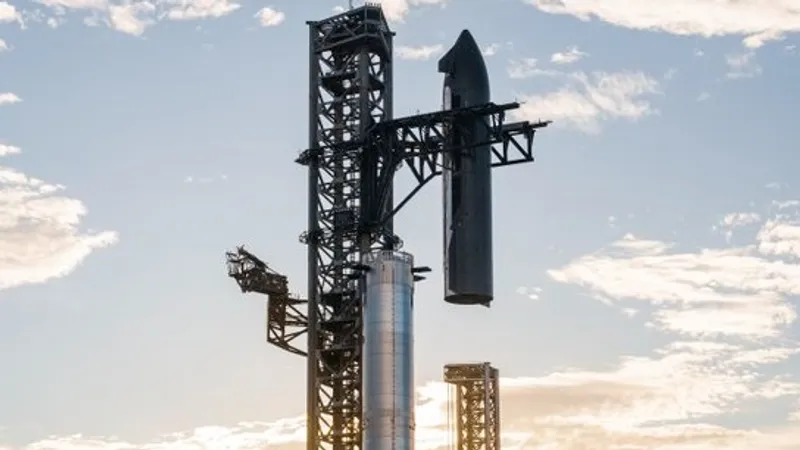
Elon Musk's SpaceX has been forced to cancel the tenth launch of its Starship prototype due to technical issues, the company's official X account announced.
Reasons for launch cancellation
According to SpaceX, the decision to cancel the launch was made to allow time to troubleshoot problems with ground systems.
- The launch was scheduled for August 25 at 04:30 Kazakhstan time.
- Starship was supposed to be launched into a suborbital trajectory over Africa.
- If successful, the ship was expected to release eight mock-ups of the next-generation Starlink satellites and restart one of the Raptor engines in space.
Previous Starship Launches
This is not the first time that a Starship launch has failed. Of the three previous Block 2 launches, two ended with the ship breaking up between the Super Heavy separation and the engines shutting down.
The third flight went slightly better, and Starship made it to the engine shutdown stage. But a fuel leak prevented most of the testing program, such as deploying Starlink mockups and testing thermal protection, from being completed, and the ship broke apart during reentry.
Goals and objectives of the mission
The final part of the flight was intended to be devoted to studying the ship's behavior during re-entry into the atmosphere. SpaceX engineers intentionally removed some of the heat shield tiles and installed several made from alternative materials.
If the ship had survived re-entry into the atmosphere, it would have been sunk in the waters of the Indian Ocean.
Prospects and future plans
Despite the setback, SpaceX continues to work on improving the technology and plans new launches. The company intends to conduct more successful tests in the future and use the data to improve the design of the ship.







 EN
EN  RU
RU